

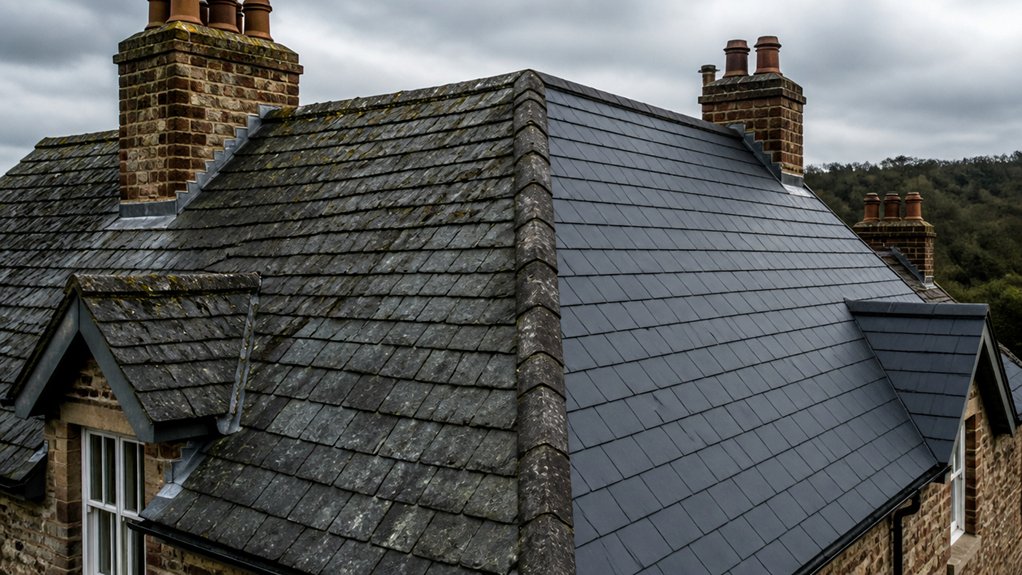
Choosing between natural and synthetic slate for a UK roof depends on your property’s structure, style, budget and exposure to wind, rain and frost. Natural slate gives you authentic character and a potentially longer service life, while synthetic slate can reduce weight, cost and installation demands. You’ll also need to check local planning requirements, especially for listed or conservation-area properties. The right choice becomes clearer when you compare lifespan, weather performance and whole-life cost.
Natural or Synthetic Slate: Which Is Right for You?
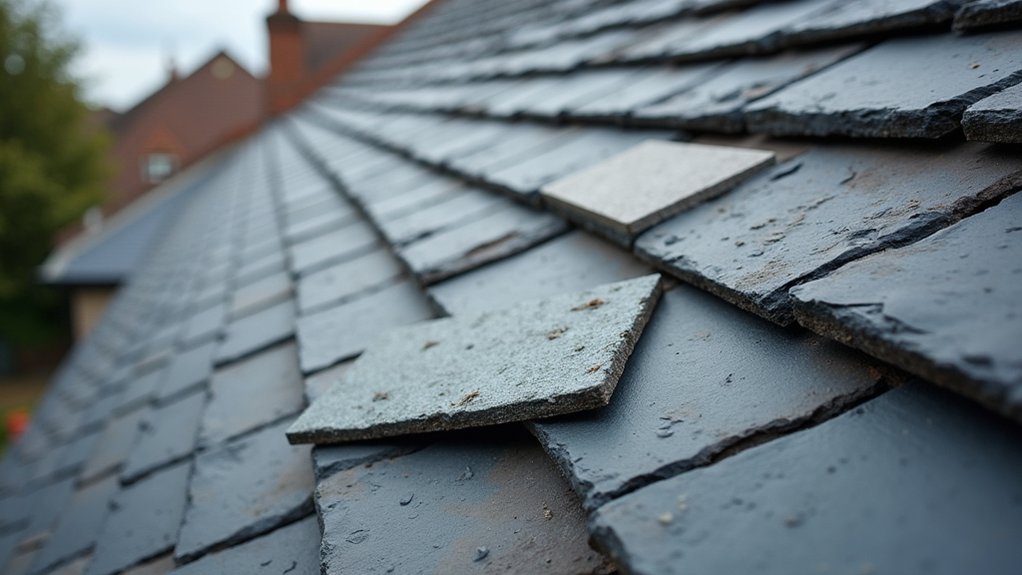
Choosing between natural and synthetic slate depends on your roof’s design, structural capacity, budget and expected service life.
If your building suits traditional Welsh or Spanish slate, natural slate delivers authentic texture, individual variation and strong kerb appeal. You’ll need a structural assessment because its weight can affect rafters and battens, particularly during refurbishment.
Synthetic slate offers lower weight, consistent dimensions and broader colour options, including finishes designed to replicate natural stone. It may suit lightweight structures, extensions or projects requiring predictable material availability.
However, check the manufacturer’s performance data, fire classification and compatibility with UK roofing components before specifying it.
Compare installation complexity as well as material price. Natural slate often demands specialist cutting and fixing, whereas synthetic products can simplify handling.
Ask your roofer to confirm compliance with BS 5534 and the manufacturer’s fixing requirements.
How Long Does Each Slate Roof Last?
A well-installed natural slate roof can last 80–100 years or more, while a quality synthetic slate roof typically lasts around 30–60 years, depending on the product and exposure. Your roof’s lifespan depends on slate quality, fixing methods, ventilation, roof pitch and local weather.
Correct installation techniques, including appropriate headlap, corrosion-resistant fixings and secure detailing around abutments, help prevent premature failure. Natural slate may outlast several generations, although individual slates can crack and require replacement.
Synthetic slate generally offers consistent sizing, but ultraviolet exposure, frost and thermal movement can eventually cause fading, brittleness or distortion. Follow the manufacturer’s guidance and check your roof periodically, especially after storms.
Your maintenance requirements include clearing gutters, replacing damaged units promptly and inspecting flashings, ridges and verges. A qualified roofer should assess defects and preserve warranties.
How Much Do Natural and Synthetic Slate Cost?
You’ll typically pay more for natural slate, with UK supply, grade and installation requirements driving the final price.
Synthetic slate usually costs less and weighs less, potentially reducing structural and fitting costs.
Compare complete installed quotations, including battens, fixings, labour, waste and VAT.
Natural Slate Pricing
Natural slate typically costs £60–£100 per m² supplied and fitted, while synthetic slate generally costs £40–£70 per m², depending on the product, roof design and installation requirements.
For your budget, confirm whether the quotation includes scaffolding, removal of the existing covering, battens, underlay, fixings, leadwork, insulation adjustments and VAT.
Slate size, thickness, grade, coursing and roof pitch can considerably affect material use and labour time.
Listed buildings or conservation areas may require locally sourced or Welsh slate to satisfy planning conditions, increasing the purchase price.
Although the initial cost is higher, natural slate can provide a service life exceeding 100 years when correctly specified and installed.
Compare samples, provenance, guarantees and installer qualifications, then assess whole-life value, maintenance requirements and eco friendly options before accepting a quotation.
Synthetic Slate Pricing
Synthetic slate typically costs £40–£70 per m² supplied and fitted in the UK, although the final price depends on the product’s specification, roof complexity and installer’s labour rate. That figure generally includes battens, underlay, fixings and installation, but you should confirm each quotation’s inclusions.
For a reliable cost comparison, natural slate commonly costs £50–£100 per m² fitted, with premium Welsh or reclaimed slate costing more. Synthetic products can thus reduce material and labour costs, particularly because they’re lighter, easier to cut and supplied in consistent sizes.
However, don’t compare prices solely by square metre. Check the tile’s expected service life, warranty, fire classification and resistance to frost and impact.
Your installation considerations include roof pitch, access, detailing around valleys and dormers, and whether existing timbers require strengthening. Obtain at least three itemised quotes from competent roofing contractors.
Which Slate Handles UK Weather Best?
UK weather demands slate that resists persistent rain, moisture ingress and freeze–thaw damage. Natural slate generally performs well when correctly graded and fixed.
While quality synthetic slate can offer consistent water resistance and lower weight. You’ll also need to assess wind exposure, frost rating and fixing requirements for your specific location.
Rain And Moisture Resistance
When choosing slate for a UK roof, assess how reliably it manages prolonged rain, frost and repeated wetting rather than relying on appearance alone.
Natural slate generally has low water absorption, but performance varies by quarry, grade and cleavage. Ask suppliers for test data, including water absorption and dimensional stability, and check that each tile meets BS EN 12326.
Synthetic slate typically uses polymer, fibre-cement or composite materials, so moisture resistance depends on its formulation and edge detailing. Confirm the manufacturer’s test results, warranty conditions and suitability for your exposure zone.
Inspect for consistent thickness, secure fixings and correctly lapped courses, because installation controls water ingress as much as the slate itself.
Don’t confuse dye color or texture variation with waterproofing; neither proves performance.
Prioritise certified data, detailing and experienced UK installation.
Wind And Frost Performance
For exposed UK roofs, choose slate by its tested resistance to wind uplift, freeze–thaw cycling and impact rather than by material alone. Natural slate can provide excellent wind resistance when correctly graded, holed, fixed and specified for your site’s exposure zone. However, quality varies between quarries, so check the product’s BS EN 12326 classification and the roof system’s fixing requirements.
Synthetic slate usually offers consistent dimensions and tested performance, but you must confirm its declared wind-load limits and manufacturer-approved batten spacing. For frost durability, select products with suitable freeze–thaw results; porous or poorly manufactured slates may crack, delaminate or lose surface layers after repeated UK winters.
Make certain of adequate laps, secure fixings and compliant detailing around verges, hips and valleys. Your installer should assess local exposure, roof pitch and orientation before choosing either material.
What Planning Rules and Environmental Issues Matter?
Before choosing natural or synthetic slate, check whether your local planning authority requires permission or imposes conditions on roof alterations, particularly in conservation areas, listed buildings, or protected settings. Heritage conservation policies may control slate colour, size, coursing, fixing methods, and visible roof details.
Listed buildings usually need listed building consent, while permitted development rights can still vary by location and project scope. Ask your council’s planning department before ordering materials; unauthorised work can require costly reinstatement.
Check Building Regulations requirements for roof structure, insulation, fire performance, and weatherproofing, especially during replacement.
Consider environmental impacts too. Natural slate can offer long service life and recyclability, but quarrying and transport create impacts. Synthetic slate may use recycled content and weigh less, yet manufacturing and disposal vary.
Request Environmental Product Declarations and recycling guidance from manufacturers.
Which Slate Best Suits Your Home?
The best slate for your home depends on its roof design, structural capacity, location and appearance. Natural slate suits traditional properties, conservation areas and owners seeking authentic texture, long service life and distinctive colour variation.
Check your roof structure first: natural tiles can be heavy, and an engineer may need to verify the rafters and support spacing. Synthetic slate offers a lighter, consistent alternative, often reducing structural demands and costs.
It can replicate natural finishes, with wider colour variations and profiles to complement modern or period homes.
Consider your local climate too; quality slate must resist frost, wind and water absorption.
Discuss installation challenges with an experienced roofer, including roof pitch, batten gauge, tile fixing and detailing around chimneys.
Compare guarantees, maintenance requirements and whole-life value before deciding.
Conclusion
Ultimately, your slate choice is more than a roofing decision; it’s a shield between your home and Britain’s changeable skies. Choose natural slate for authentic character, exceptional longevity and heritage compatibility, provided your structure and budget support its weight and cost. Choose synthetic slate for lighter loading, consistent appearance and lower expenditure. Before committing, check planning requirements, obtain a structural assessment and compare whole-life impacts. The right roof will protect your property—and reflect its future.