

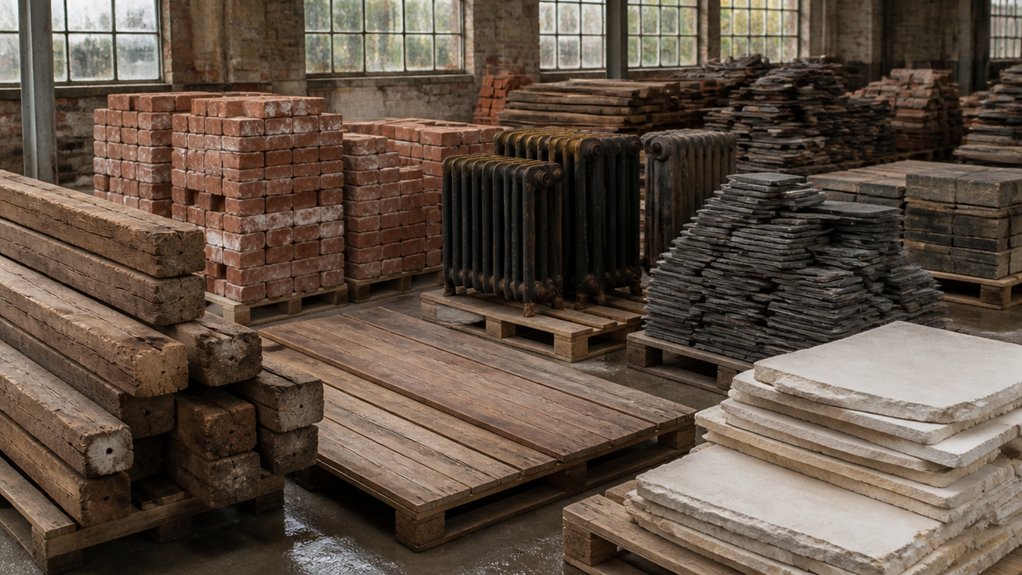
If you’re planning a UK construction project, reclaimed materials can reduce waste, conserve resources and add character through natural weathering and patina. You’ll need to match each material to its intended use, verify its condition and confirm compliance with current safety and building regulations. Sourcing, transport, storage and installation also affect cost, carbon and supply reliability. The practical challenge is knowing when a salvaged component is genuinely suitable—and when its apparent value hides significant risk.
What Are Reclaimed Building Materials?
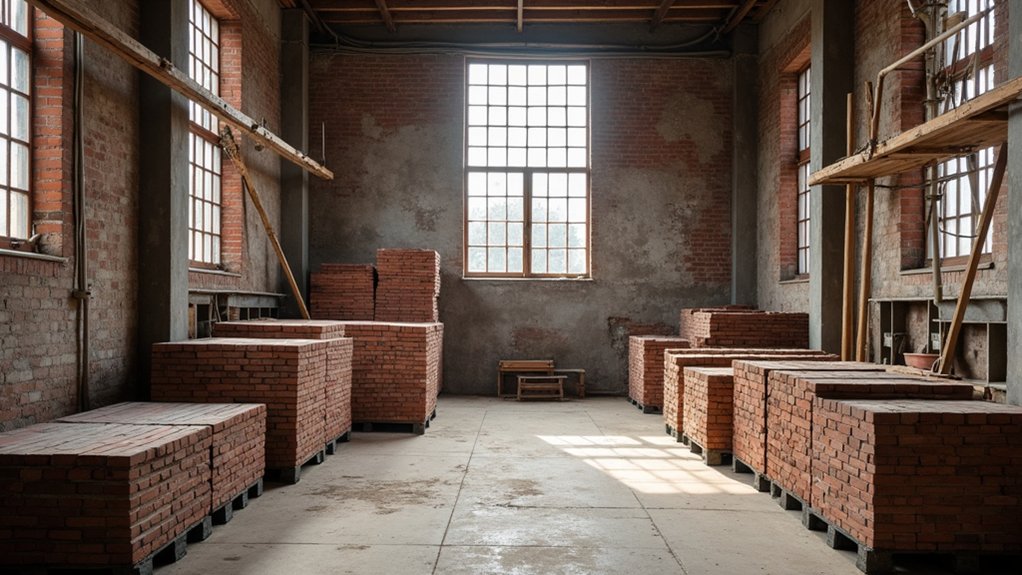
Reclaimed building materials are components recovered from existing structures, then inspected, salvaged and prepared for reuse in new UK construction projects. You may encounter bricks, natural stone, timber, slate, tiles, steelwork, doors and architectural fittings.
Unlike recycled products, these items usually retain their original form, allowing you to reuse them with limited reprocessing. Before acceptance, you’ll need evidence of condition, dimensions, provenance and performance; suppliers should remove contamination, grade components and identify defects.
You should also consider Historical significance, particularly where materials come from listed buildings, mills or traditional terraces. Their aesthetic appeal comes from weathering, patina, tooling marks and variations that manufactured substitutes may not reproduce.
In practice, reclaimed materials support resource efficiency, reduce disposal and preserve elements of the UK’s built heritage during construction and refurbishment.
Match Reclaimed Materials to Your Project
Assess your project’s structural, aesthetic and regulatory requirements, including loads, moisture exposure and Building Regulations compliance.
Choose reclaimed materials that meet the required performance, dimensions and condition, and verify their provenance and testing records.
You’ll then achieve a practical match without compromising safety or programme requirements.
Assess Project Requirements
Before sourcing reclaimed materials, define the project’s performance requirements, including structural loads, dimensions, fire resistance, thermal performance, moisture exposure and compliance with UK Building Regulations. Record these criteria in the employer’s requirements and design risk register, then confirm which standards, warranties and inspection evidence apply.
Assess the building’s location, intended use, occupancy, maintenance strategy and construction programme, since each affects acceptable tolerances and installation constraints.
For alterations, check the existing structure, measured surveys, planning conditions and conservation-area controls. Historical preservation may require you to retain fabric, repair rather than replace elements, and justify interventions to the local planning authority.
Consider aesthetic integration too: establish how new work should relate to existing proportions, finishes and detailing.
Your assessment should also identify responsibility for testing, certification, traceability and any remedial work before procurement.
Choose Suitable Materials
Match each reclaimed material to the project’s performance requirements, exposure conditions and construction details, rather than selecting it on appearance alone.
Check reclaimed bricks for frost resistance, dimensions, compressive strength and compatible mortar before specifying them for external walls.
Assess salvaged timber for species, moisture content, decay, insect damage and structural grading; don’t use ungraded sections where Building Regulations require verified capacity.
For reclaimed roof tiles, confirm weathering performance, fixing compatibility and sufficient quantities, including spares.
Test reclaimed stone, glass and metal for contamination, durability and fire performance where relevant.
Coordinate dimensions with drawings and tolerances, because inconsistent stock can affect installation.
Use innovative design to accommodate variation, while maintaining aesthetic integration.
Ask suppliers for provenance, test evidence and handling guidance, then record decisions within your specification and risk assessments.
Source Reclaimed Building Materials Across the UK
Where can you source reclaimed building materials across the UK? Start with established reclamation yards, architectural salvage businesses and specialist dealers in England, Scotland, Wales and Northern Ireland. Use their catalogues to locate reclaimed brick, stone, slate, timber, tiles, doors and ironwork by region, period and quantity.
Contact demolition contractors and deconstruction firms before work begins; they may release materials from schools, mills, warehouses and housing schemes. Online marketplaces and local authority reuse networks can connect you with smaller lots, while auction houses often list architectural features from historic properties.
Ask suppliers about delivery routes, collection arrangements, batch sizes and available matching stock. For Historical preservation projects, consult heritage organisations and local salvage specialists.
You’ll achieve better aesthetic integration when you source locally, match regional character and reserve sufficient material for the whole build.
Check Condition, Safety and UK Compliance
Before purchase, you’ll need to assess each item’s condition, including damage, contamination and signs of deterioration.
Verify its structural safety through suitable testing, inspection and engineer’s advice where necessary.
Confirm compliance with UK Building Regulations, relevant British Standards and applicable product or fire-safety requirements.
Assess Material Condition
Assess each reclaimed item for structural integrity, contamination, fire performance and compliance with the current Building Regulations before specifying or installing it. Record its source, age, previous use and exposure history, then arrange appropriate testing where documentation is incomplete.
Check timber for decay, insect attack, moisture damage, preservatives and restricted treatments; inspect masonry for salts, frost damage and incompatible coatings.
For metals, look for corrosion, distortion, lead content and hazardous residues.
Confirm insulation, glazing, doors and finishes meet relevant performance requirements, including reaction to fire, thermal efficiency and hazardous-substance controls.
Ask a competent surveyor or specialist laboratory to interpret results, particularly on listed or historic sites where historical preservation affects acceptable interventions.
Document findings, limitations and cleaning methods so you can demonstrate material durability, traceability and UK compliance.
Verify Structural Safety
Once condition findings are recorded, verify that each reclaimed component can safely perform its intended structural role under current UK requirements.
Ask a structural engineer to assess load capacity, connections, stability, and likely deterioration, particularly for reused steel, timber, masonry, and trusses.
Require test results, provenance records, and calculations where visual inspection can’t confirm performance.
Check for hidden defects, previous alterations, fire damage, corrosion, insect attack, and moisture-related weakening.
Don’t assume an older material matches modern design values; specify conservative assumptions and suitable safety factors.
Retain evidence in the project file, including photographs and inspection reports.
Where Historic preservation influences retention, balance original fabric with necessary strengthening.
Plan strengthening details carefully so they support safety without compromising aesthetic integration.
Stop installation if evidence remains incomplete, and resolve uncertainties before the component carries load.
Confirm UK Compliance
Confirm that each reclaimed component complies with applicable UK Building Regulations, British Standards, approved documents, and project specifications before approving it for use.
Ask your designer or building control body to confirm performance requirements, including structural capacity, fire resistance, thermal efficiency, moisture protection, and accessibility.
Obtain Material certification, test reports, installation records, and chain-of-custody evidence where available.
Don’t assume an older product meets current standards because it performed adequately before removal.
Check hazardous substances, such as asbestos, lead paint, treated timber chemicals, and contaminated masonry, through competent specialists.
Where a listed building or conservation area is involved, coordinate compliance with Historic preservation requirements and secure necessary consents.
Record inspections, decisions, limitations, and proposed remedial work in the project file.
Reject materials that lack traceability, acceptable condition, or verifiable performance.
Compare Cost, Carbon and Supply Risks
Three checks should guide your comparison of reclaimed materials: whole-life cost, carbon performance and supply reliability. Compare purchase prices with testing, certification, transport and any specialist labour. A lower initial price won’t necessarily deliver value if uncertain provenance increases project risk.
Assess Material durability against the proposed service life, maintenance needs and performance requirements in your specification.
Quantify carbon using available environmental product declarations, reuse evidence and transport distances. Reclaimed products can avoid manufacturing emissions, but long journeys or intensive processing may reduce the benefit. Record assumptions so your project’s embodied-carbon assessment remains transparent.
Check supply early with UK salvage yards, reclamation specialists and regional suppliers. Confirm quantities, dimensions, grades and lead times, recognising that matching batches may be limited.
Consider aesthetic appeal, but don’t let appearance outweigh compliance, performance or dependable availability. Document alternatives and contingency options before procurement.
Prepare, Store and Install Reclaimed Materials
After evaluating cost, carbon and supply risks, plan how each reclaimed item will be prepared, stored and installed. Confirm dimensions, moisture content, contaminants and structural condition before work begins.
Your contractor should clean materials using methods that won’t damage finishes, then repair or grade them to the project specification. Record provenance, test results and any treatments for building-control and warranty requirements.
Store timber, bricks and stone under cover, off the ground, with ventilation and protection from frost, rain and site contamination. Keep components labelled and segregated to prevent mixing batches.
During installation, follow manufacturers’ guidance, approved details and relevant British Standards, allowing for uneven dimensions and movement. Protect finished surfaces from impact and staining.
Check fixings and interfaces carefully, because reclaimed durability depends on sound preparation and correct detailing, while Material aesthetics benefit from thoughtful orientation and consistent workmanship.
Conclusion
Reclaimed materials can give UK projects character while reducing waste and preserving built heritage. You’ll achieve the best results by matching each item to its structural, thermal and aesthetic role, then verifying condition, provenance and compliance with current regulations. Have you allowed for testing, lead times, specialist labour and secure storage? By planning procurement early, documenting certification and installing materials correctly, you’ll balance carbon savings, cost and performance—without compromising safety, durability or design intent.