
When you’re working at height, a minor misstep can have serious consequences. Access platforms give you a stable, purpose-built surface, helping you position yourself securely without relying on ladders or improvised structures. Guardrails, toe boards and self-closing gates can reduce fall risks, while suitable load capacity and regular inspections support controlled access. Choosing the right platform and following safe operating procedures matter, but there’s more to take into account before you step onto one.
What Are Access Platforms Used For?
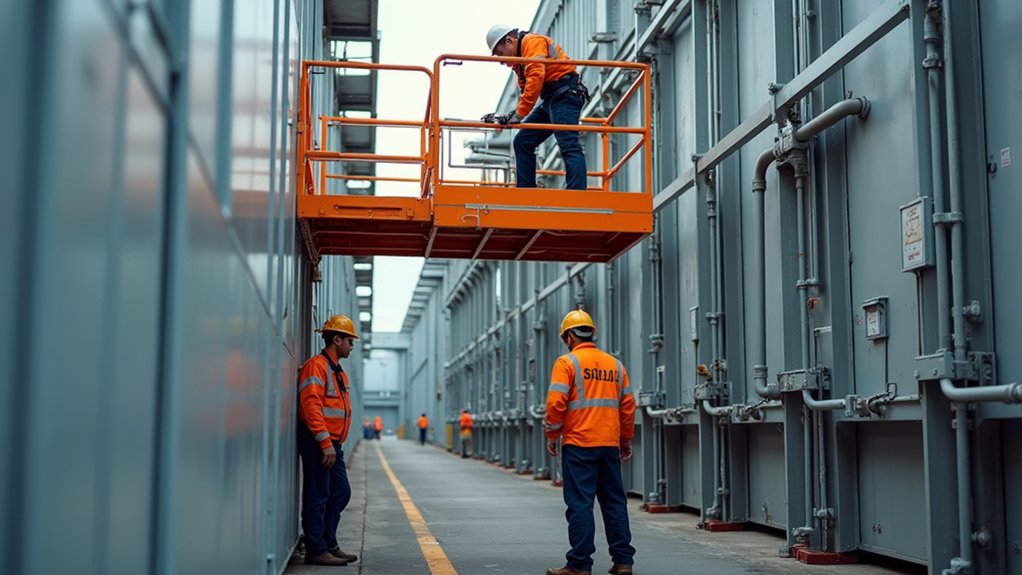
Access platforms give you a stable, elevated work area for safely reaching machinery, equipment, storage locations and building services. You can use them for inspection, cleaning, repair, installation and routine maintenance procedures where a secure working position is required.
Their guarded decks, handrails and access gates help you work without relying on ladders, improvised footholds or unstable surfaces. Equipment versatility enables one platform to support tasks across manufacturing, warehousing, construction and facilities management, provided you follow its rated load, operating instructions and site controls.
Before use, you should check the platform’s condition, confirm it stands on suitable level ground and keep access routes clear. You must also prevent dropped objects, maintain three-point contact where applicable and isolate hazardous machinery before starting work.
Which Access Platform Fits Your Workplace?
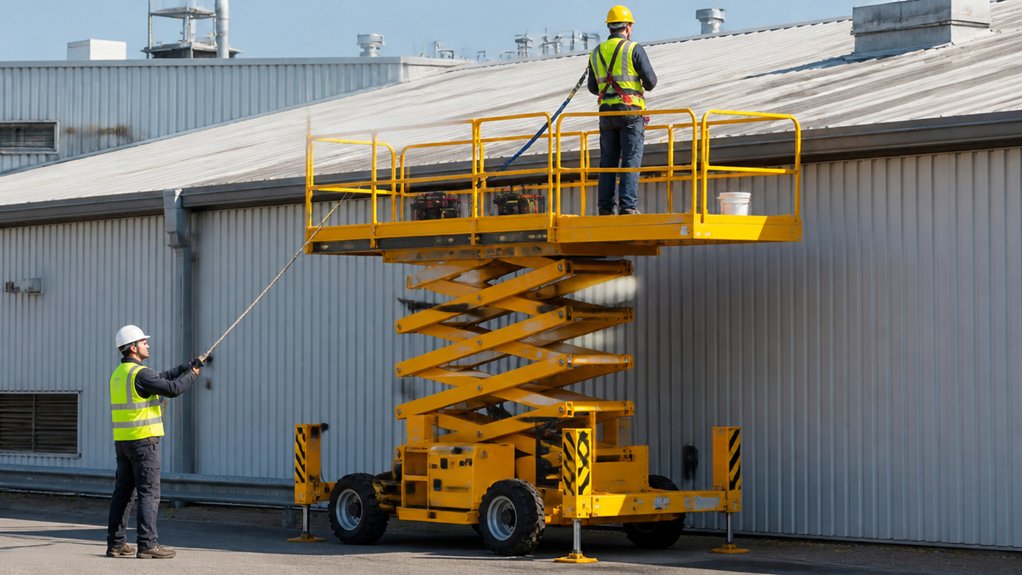
Choosing the right access platform depends on your workplace layout, working height, task requirements and available floor space. Assess whether you need a fixed platform, mobile access tower, scissor lift or modular system.
A fixed platform suits regular access to machinery, while a mobile tower supports tasks across level, unobstructed areas. For restricted aisles or changing elevations, select equipment with suitable dimensions, load capacity and mobility.
Equipment versatility matters when several teams share the same workplace, but don’t compromise stability or manufacturer limits for flexibility. Check the platform’s surface, guardrails, stairs and access gates against your site’s operational needs.
Maintenance considerations include inspection intervals, replacement parts, cleaning requirements and competent servicing. Choose equipment that integrates with your risk assessment, traffic routes and emergency arrangements, then train users before work starts.
How Do Access Platforms Prevent Falls?
How do access platforms prevent falls? They give you a stable, purpose-designed working position, reducing the need to stand on unsuitable surfaces, overreach or climb improvised equipment.
By keeping your feet within a defined work area, an access platform supports effective fall prevention and helps you maintain three points of contact when entering, working and leaving.
Its engineered structure also provides predictable load distribution and controlled movement, limiting instability caused by uneven footing or shifting materials.
You should select a platform that suits the required height, task and load, then use it according to the manufacturer’s instructions and your site’s risk assessment.
Regular inspections and competent operation preserve these safety enhancements.
You must also keep the platform level, avoid unauthorised modifications and stop work if conditions, such as high winds, compromise stability.
What Safety Features Should Access Platforms Have?
A safe access platform should have guardrails, a mid-rail, a toe board and a self-closing gate to prevent falls and contain tools or materials. It should also have a non-slip, fully decked working surface, secure access, and adequate load capacity clearly marked for you.
Outriggers, stabilisers or a fixed base must prevent movement, while adjustable components need positive locking devices.
Confirm the platform includes edge protection around openings and provides sufficient clearance from overhead hazards and electrical services.
Safety harnesses may offer additional protection where a risk assessment identifies residual fall hazards, but they don’t replace collective protection.
You should find clear inspection points, identification plates and maintenance records.
Emergency procedures, rescue arrangements and accessible communication equipment should support a prompt response if an incident occurs or someone becomes incapacitated.
How Can You Use Access Platforms Safely?
Before you use an access platform, inspect its condition, confirm it’s on a stable surface and check that guardrails, toe boards, gates, access components and locking devices are secure.
Verify the platform suits the task, working height and load, and complete documented pre-use checks.
Follow the manufacturer’s instructions, site-specific method statement and risk assessment.
Never exceed the safe working load, move a platform while occupied, or use it in unsuitable weather or near live services.
Keep the deck clear, maintain three points of contact when climbing, and use designated access routes.
Wear required personal protective equipment, including a harness where specified by the system and assessment.
Only authorised personnel should operate the equipment.
Effective operator training supports risk mitigation, while supervision and prompt defect reporting help you work safely at height.
Conclusion
When you choose the right access platform, you create a safer, steadier workplace at height. Guardrails, toe boards, self-closing gates and secure surfaces help prevent slips, trips and falls, while proper positioning supports precise, productive work. Before every task, inspect the platform, confirm its load capacity and follow the manufacturer’s instructions. Keep the platform clear, climb carefully and never improvise. With sensible selection and safe, consistent use, you’ll protect people and promote confident, controlled working at height.